헝가리의대 졸업하고 한국의사 면허 따는게 한국의대 졸업해서 미국의사면허 따는거랑 뭐가 다르냐고 묻는 분들이 계셔서 정리해보았습니다. 한국의대를 졸업해서 미국 의사가 되는 과정은 굉장히 복잡합니다.
USMLE는 미국 의사면허가 아닙니다.
미국 의사 면허 관리는 미국 중앙정부가 아닌 각 주州에 의해서 관리되고 있습니다. 1791년 비준된 미국 수정헌법 제10조를 근거로 1889년 미연방 대법원에서 ‘건강, 안전, 복지에 대해서 각 주에서 법률과 규정을 세울 권한’을 부여했기 때문입니다.
따라서 의사면허는 미국 각각의 주가 관리하고 있으며, 서로 간의 의료면허증의 수준 유지를 위해 관련 자료를 美연방의료위원회 (FSMB, Federation of State Medical Boards) 에서 관리합니다. 이 글은 FSMB의 자료를 근거로 작성되었습니다.
미국 의사면허는 합법적으로 의료행위를 위해 필요하며 의사면허의 부여는 엄격한 절차를 거칩니다. 의사면허는 주마다 다르나 최소한 1년 이상의 수련을 받아야 신청할 수 있습니다. USMLE는 step 1, 2, 3로 나뉘는데 미국의대생들은 졸업 전에 step 1과 2를 획득합니다. step 3는 일반적으로 1년간의 수련 이후 획득합니다. Step 3까지 획득해야 의사면허증을 신청할 자격이 생깁니다.
FSMB는 미국의사면허 (주州의사면허)신청을 위한 중요한 4가지를 다음과 같이 정리합니다.
– 의대 졸업
– 병원 ‘수련’ (residency training)
– USMLE등 국가면허시험 통과 (national licensing examination)
– 의료행위를 위한 정신적, 신체적인 건강
해외의대 졸업생의 경우는 대부분 USMLE step 1과 2를 졸업 이후에 준비합니다. 그리고 미국 의사면허증 획득을 위해서 미국의대 졸업자들과 마찬가지로 ‘수련'(residency)을 받아야합니다. 이 과정에서 USMLE에 합격한 많은 해외의대생이 탈락합니다.
흔히 USMLE에 관심있는 사람들이 말하는 ‘매칭 안 되면 (레지던트 탈락하면) USMLE가 의미 없다’는 발언이 이 때문입니다.
위와같은 이유로, USMLE는 미국의사면허증이 아닙니다. ‘수련’을 받아야하기 때문입니다. 해외의대생들이 국내의사가 되는 과정을 두고 USMLE랑 뭐가 다르냐고 묻는데 다릅니다. 합격=의사면허인 KMLE와 달리 USMLE 합격은 미국 의사가 되기 위한 준비 과정 중 하나에 불과하기 때문입니다.
참고
UNDERSTANDING MEDICAL REGULATION IN THE UNITED STATES
https://www.fsmb.org/education/understanding-medical-regulation-in-the-united-states/
The 10th Amendment of the United States Constitution authorizes the states to establish laws and regulations protecting the health, safety and general welfare of their citizens.
Thus, it is the responsibility of the individual states to regulate the practice of medicine.
* The 10th Amendment
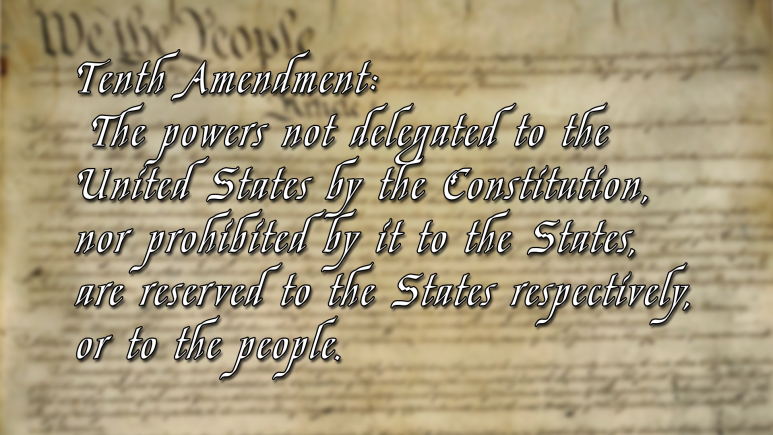
The powers not delegated to the United States by the Constitution, nor prohibited by it to the States, are reserved to the States respectively, or to the people.
Medical licensing laws spread throughout the United States in the last quarter of the 19th century, but they were not uniformly popular, especially among some physicians already in practice at the time such laws were introduced.
Dent had been in medical practice with his father and on his own for over a decade prior to the adoption of West Virginia’s licensing law. In 1882, a local court convicted Dent of illegally practicing medicine because he did not hold a medical license as a graduate of a “reputable” medical school.
Dent challenged this finding and his case reached the US Supreme Court in 1889
The first was the right of the state of West Virginia under the 10th amendment to regulate an occupation in the interests of the public health. The second was Dr. Dent’s due process rights, protecting an individual employed in a lawful occupation – like medicine — against arbitrary decisions.
The Supreme Court ruled in favor of West Virginia.
In reaching its decision, the Court acknowledged the “right” of citizens, including Dr. Dent, to engage in their “lawful…profession.” However, the Court found this was not an unlimited right and that the state might impose reasonable restrictions, requirements or conditions.
The Court believed such restrictions were especially appropriate in the case of medicine, as it noted the “careful preparation,” “skill” and “learning” required of physicians for the “protection of society.”
This seminal case upheld the power of state medical boards to regulate the practice of medicine within their jurisdiction and led the way for the growth and reach of state medical boards as they exist today.
Overall, state medical boards regulate the activities of nearly one million licensed physicians in the United States
One milestone in this development was the establishment of state medical boards. The North Carolina Medical Board, established in 1859, is the oldest continuously operating board in the United States
A critical development among the early licensing boards was the creation of the Illinois Board of Health in 1876. It established the template for the modern state medical board.
The Illinois legislature created the board with a broad set of powers consistent with those of state
medical boards today. These included setting minimum qualifications for the practice of medicine,
issuing a medical license to physicians and revoking or rescinding a physician’s medical license
There are basically three functions for state medical boards: Licensing, discipline and regulation.
Licensing is the function that probably first comes to mind when thinking about state medical boards, but the disciplining of physicians — when called for – is often the most time- and resource-intensive activity for boards
All state medical boards also engage in an ongoing, cooperative effort to share licensure and disciplinary information with one another by regularly contributing data to a national database maintained by the FSMB.
In the U.S., medicine is a licensed profession regulated by the individual states. The nation’s medical boards license both allopathic physicians – known as “MDs” — and osteopathic physicians – known as “DOs.” This includes 51 state allopathic and composite licensing boards – that is, boards that license both MDs and DOs — 14 osteopathic-licensing boards, and boards for Guam, Puerto Rico, the U.S. Virgin Islands and the Commonwealth of the Northern Mariana Islands. Altogether, there are 71 boards.
All state medical boards require candidates for a full medical license to complete at least one year of postgraduate training in order to be eligible. In some jurisdictions, the requirement is higher — the physician must complete two or three years of residency training to obtain a license.
Licensing is the function that often first comes to mind when people think about state medical boards.
This is understandable, as licensing is one of the mostimportant activities engaged in by boards.
As a new or incoming member to a state medical board, one of your key responsibilities will be gaining a good understanding and familiarity with the process that licenses U.S. health care professionals.
In the U.S., medicine is a licensed profession regulated by the individual states. The nation’s medical boards license both allopathic physicians – known as “MDs” — and osteopathic physicians – known as “DOs.” This includes 51 state allopathic and composite licensing boards – that is, boards that license
both MDs and DOs — 14 osteopathic-licensing boards, and boards for Guam, Puerto Rico, the U.S. Virgin Islands and the Commonwealth of the Northern Mariana Islands. Altogether, there are 71 boards.
Obtaining a license to practice medicine in the U.S. is a rigorous process. Through licensing, state
medical boards ensure that all practicing physicians have appropriate education and training. It also
ensures that they abide by recognized standards of professional conduct while serving their patients.
Those entering the profession must meet predetermined qualifications. These include graduation from an accredited medical school, postgraduate training, and passage of a comprehensive national medical licensing examination. The exam tests their knowledge of health and disease management and effective patient care.
While the specific requirements for obtaining a medical license vary somewhat between jurisdictions, state medical boards review the credentials of applicants and look closely at four major factors, including:
• Medical education
• Medical training (that is, residency training)
• Passage of a national licensing examination
• and mental, moral and physical fitness to safely practice medicine
It should be noted that receiving an MD or DO degree does not result in a license to practice medicine in the United States. The medical practice act — in most states and territories — prevents those with a medical degree from publicly representing themselves as physicians unless they also hold a medical license.
After they graduate from medical school, physicians routinely enter into postgraduate training – usually a residency training program. Residency is the period in which physicians focus on developing skills in a particular branch of medicine
All state medical boards require candidates for a full medical license to complete at least one year of postgraduate training in order to be eligible. In some jurisdictions, the requirement is higher — the physician must complete two or three years of residency training to obtain a license.
In addition to hands-on training, physicians must pass rigorous medical testing in order to become licensed. All state medical boards require completion of either the United States Medical Licensing Examination – known as the USMLE — or the Comprehensive Osteopathic Licensing Examination –known as COMLEX-USA. These are national multi-part examinations, taken at various points in a prospective physician’s career. They are designed to assess the physician’s knowledge, clinical and communication skills.
Students in U.S. medical schools routinely take the first two steps of the licensing examination prior to graduation from medical school. The third step of the examination-sequence is typically taken at the end of the first year of residency
Compared with U.S. medical graduates, International Medical Graduates – or IMGs — follow a slightly different pathway after completing their medical education outside the United States.
First, before entering into a residency training program in the United States, they must be certified by the Educational Commission for Foreign Medical Graduates — known as ECFMG. This step is required in order for IMGs to enter into an accredited residency training program in the United States. ECFMG certification requires that a physician’s medical degree be verified. The physician must also successfully complete the USMLE Step 1 and Step 2 examinations.
The timing with which IMGs complete the USMLE exam differs somewhat from that of U.S. medical students and graduates. While some IMGs begin the USMLE exam process during their medical school years, many more do not begin the sequence until after their graduation.
The key point is that ultimately, IMGs take the same licensing examinations as U.S. MD graduates and obtain residency training in the same accredited programs